2026 Call for Proposals

Apply for
Science In Vivo 2026

In scientific research, the term ‘in vivo’ means studying phenomena inside a living organism rather than in a lab dish. 

Science In Vivo applies this idea to science engagement: we bring science into the living world of community events and cultural gatherings, letting people encounter it where life is already happening. It’s about observing, experimenting, and engaging in context—science in its natural social environment and situation. This active participation is called Situated Engagement.

This year we invite organizers in the Jackson, MS and Tulsa, OK areas to explore how science can be woven into existing community events—like festivals, parades, barbecues, or markets.

Participating teams will:

  • Meet monthly online to co-design a science experience for a local event
  • Receive $2,000 for participation
  • Access $3,000 for travel to two in-person gatherings in Jackson (June 2026) and Tulsa (April 2026).
  • Be supported by a coach and MIT Museum staff

Each team should include at least one partner with science engagement experience and one community-based partner. Team members can rotate attendance at monthly meetings as needed.

Priority deadline: January 23, Apply here.

Questions or need help developing a proposal? Contact carleen@mit.edu.

Learn more about Situated Engagement.
Feast for the senses

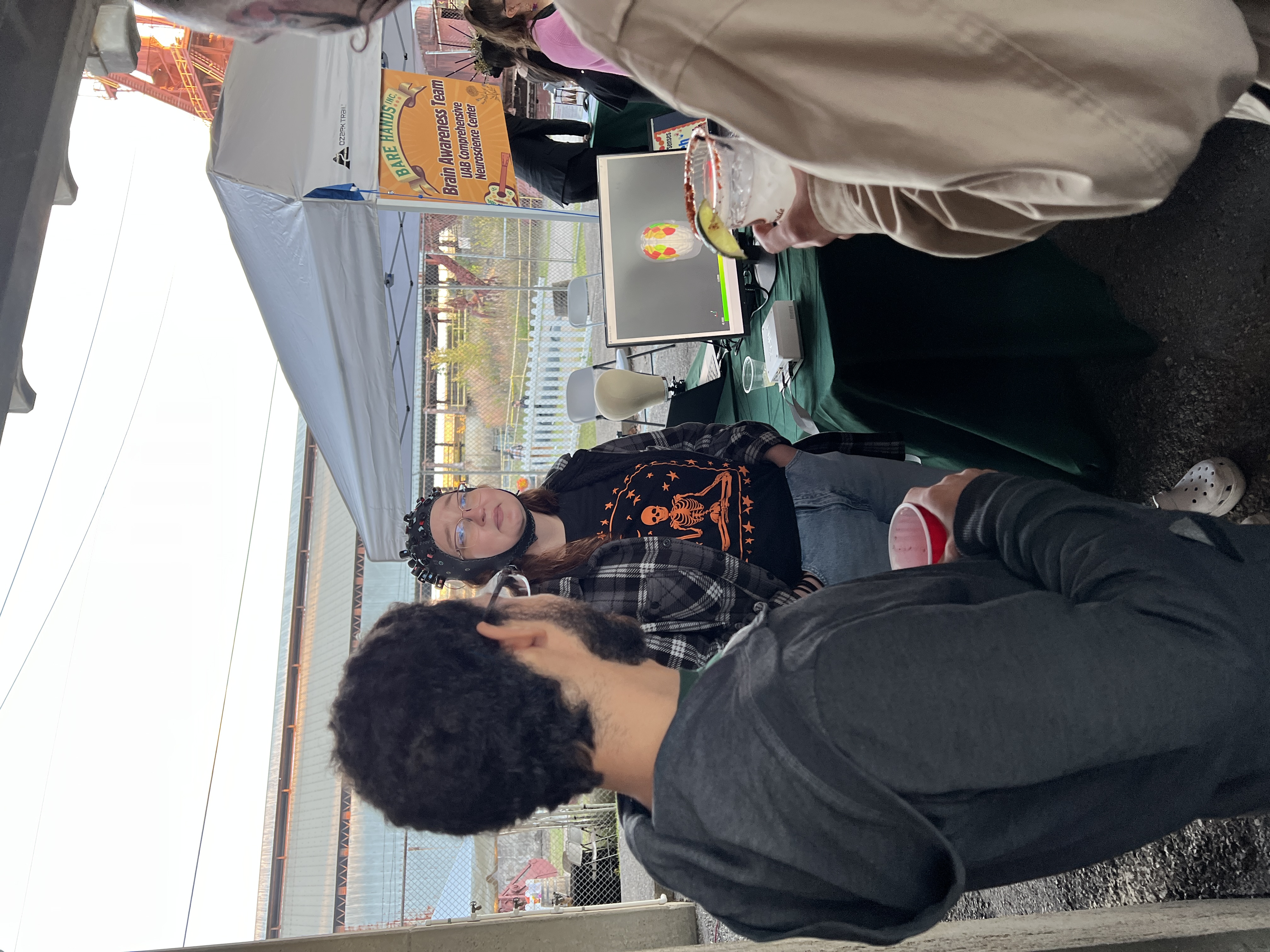
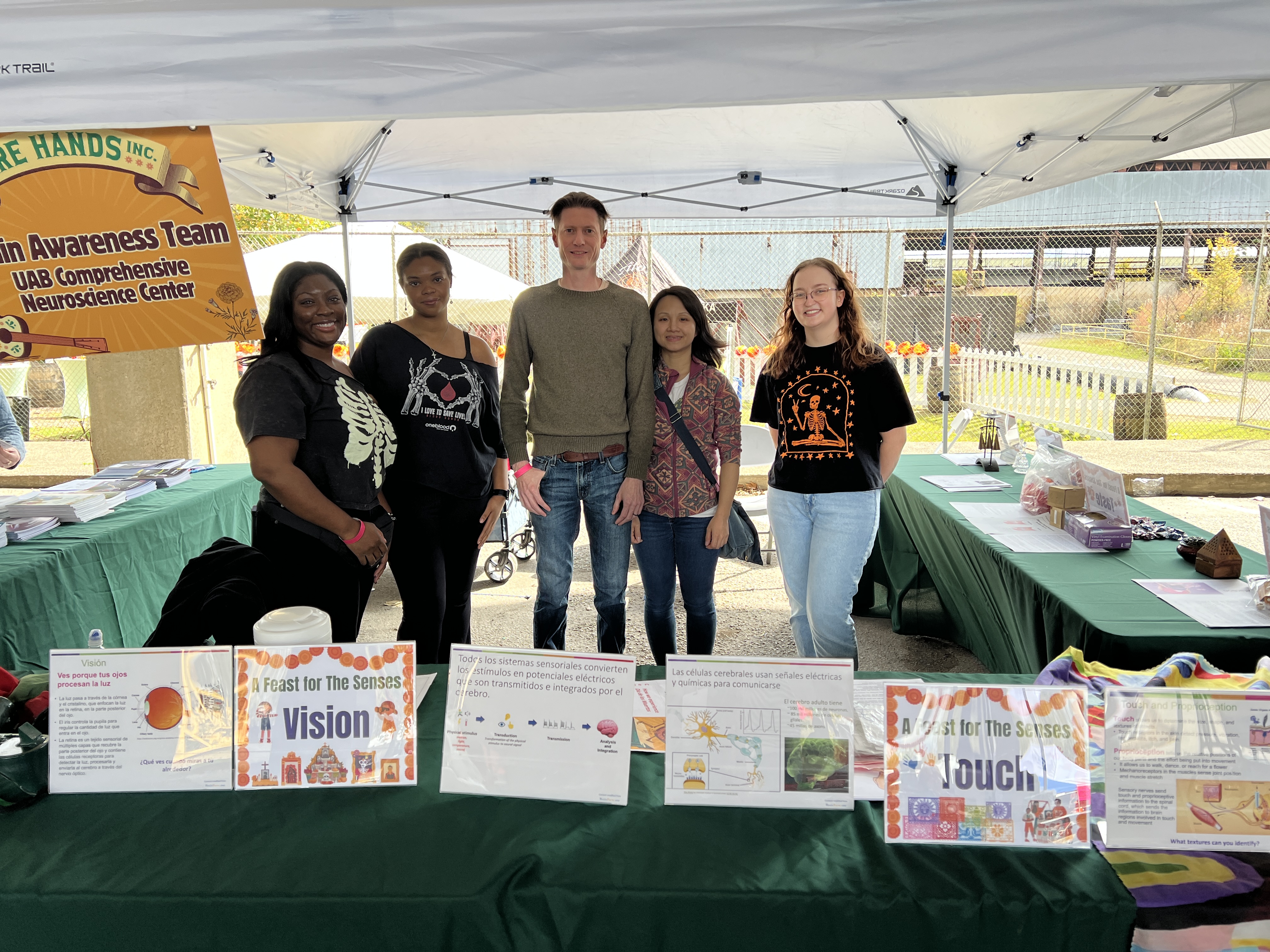
Bare Hands Inc worked with the UAB Comprehensive Neuroscience Center (CNC) Brain Awareness/Brain Bites team to bring scientific information about sensory processing to the community arts activities areas for three festivals organized by Bare Hands: Dia de los Muertos 2024, Taco Fest 2024, and Dia de los Muertos 2025. For these initiatives UAB neuroscience PhD students, faculty, and community members provided a interactive activities geared to provide age-appropriate information about the brain and sensory processing. The activities connected the experiences of the festival with an information about how human senses transform sensory stimuli into integrated experiences. For our third iteration, we were able to provide a demonstration of non-invasive brain imaging to show the connection between movement and brain activation. In total, there were ~500 individual interactions of festival goers of all ages with the science activities.
Image left:

UAB Brain Awareness Science In Vivo

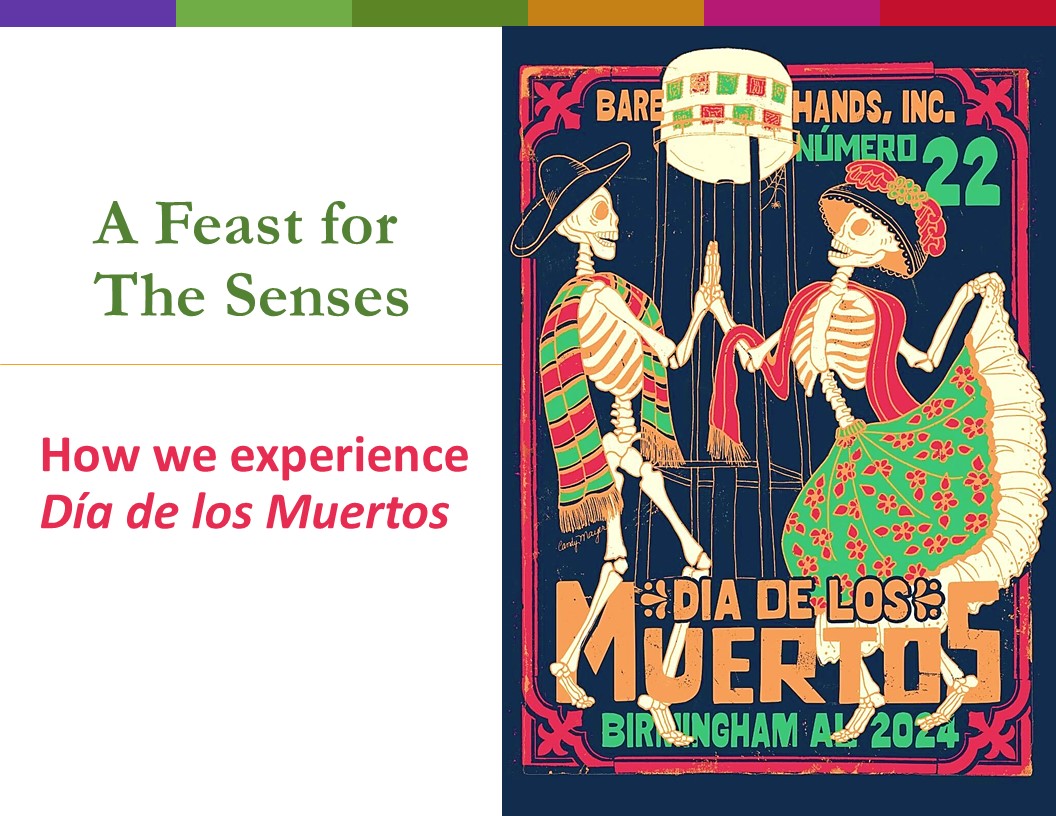
As a part of the 2024-2025 Science In Vivo Project, this initiative started by joining in with Birmingham’s Día de los Muertos festival. Día de los Muertos, or Day of the Dead, is a national holiday in Mexico and is observed in Latinx communities throughout the United States. Based on ancient Mesoamerican traditions of commemorating loved ones who had passed away, and influenced by European traditions, Día de los Muertos honors the belief that one should not grieve the loss of a beloved but instead celebrate their lives. This public event is hosted by Bare Hands, a community-supported non-profit arts organization (509(a)(2) public charity) that collaborates with individuals and local communities to create immersive arts experiences and arts education programs. They collaborated with the University of Alabama at Birmingham’s (UAB) Brain Awareness team as well as MAKEbhm (a local maker's space) to connect the experiences of the festival with an increased understanding of how human senses transform sensory stimuli into integrated experiences.
Image left:

St. Pete Science In Vivo

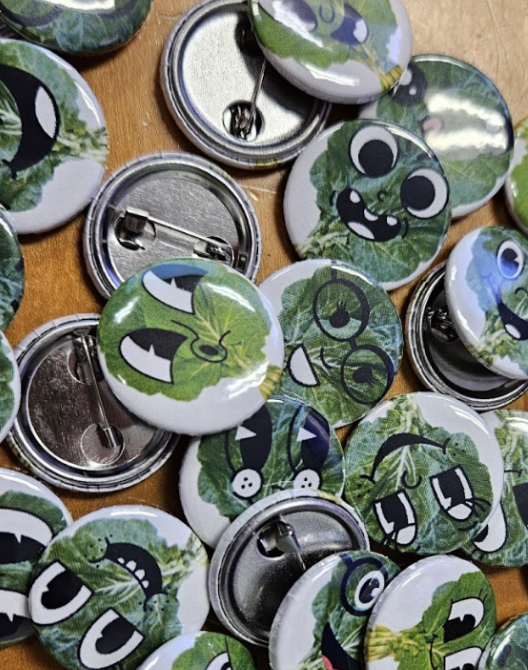
For St.Pete Science In Vivo's first situated engagement, Lauren Bell (also organizer of the St.Petersburg Science Festival) picked the Tampa Bay Collard Green Festival for the opportunity to weave in science at a long-standing cultural event in Central Florida. From pocket microscopes to collard greens germinating and more, festival attendees of all ages got to see this tasty and nutritious vegetable from a completely new perspective.
Image left: